

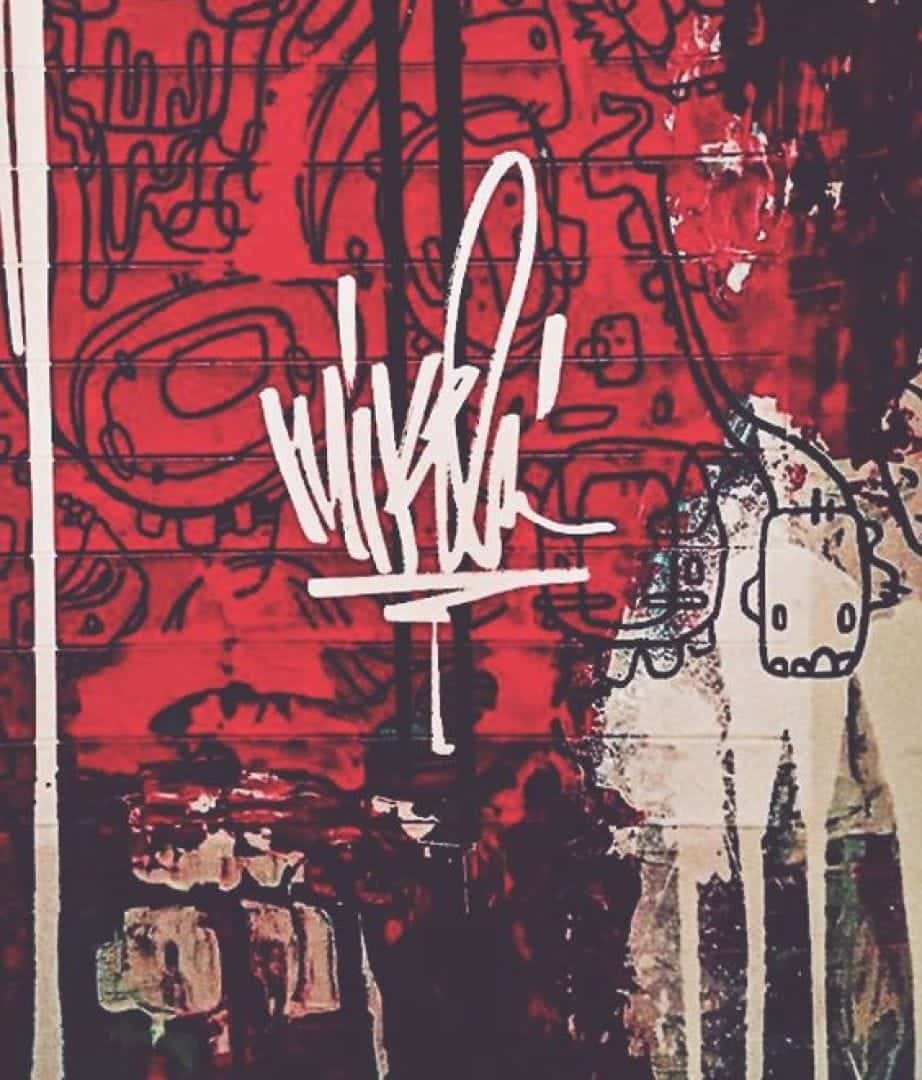
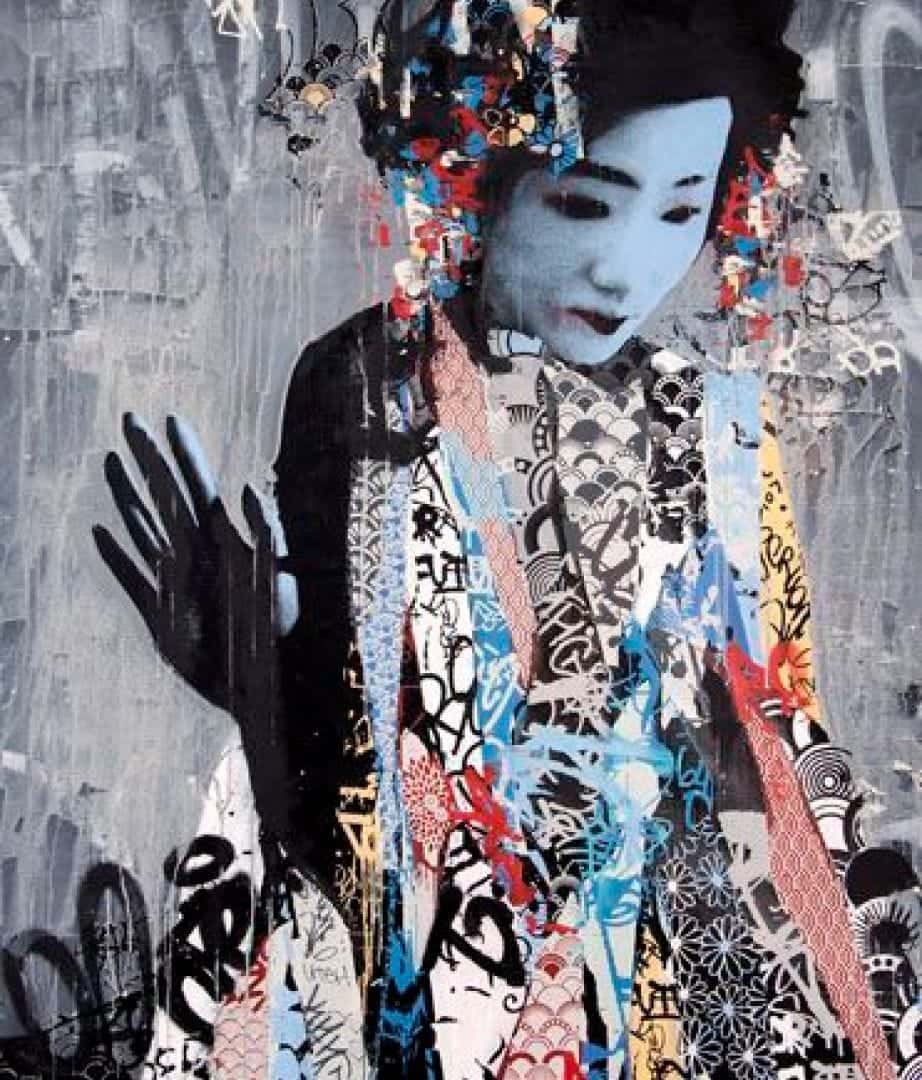
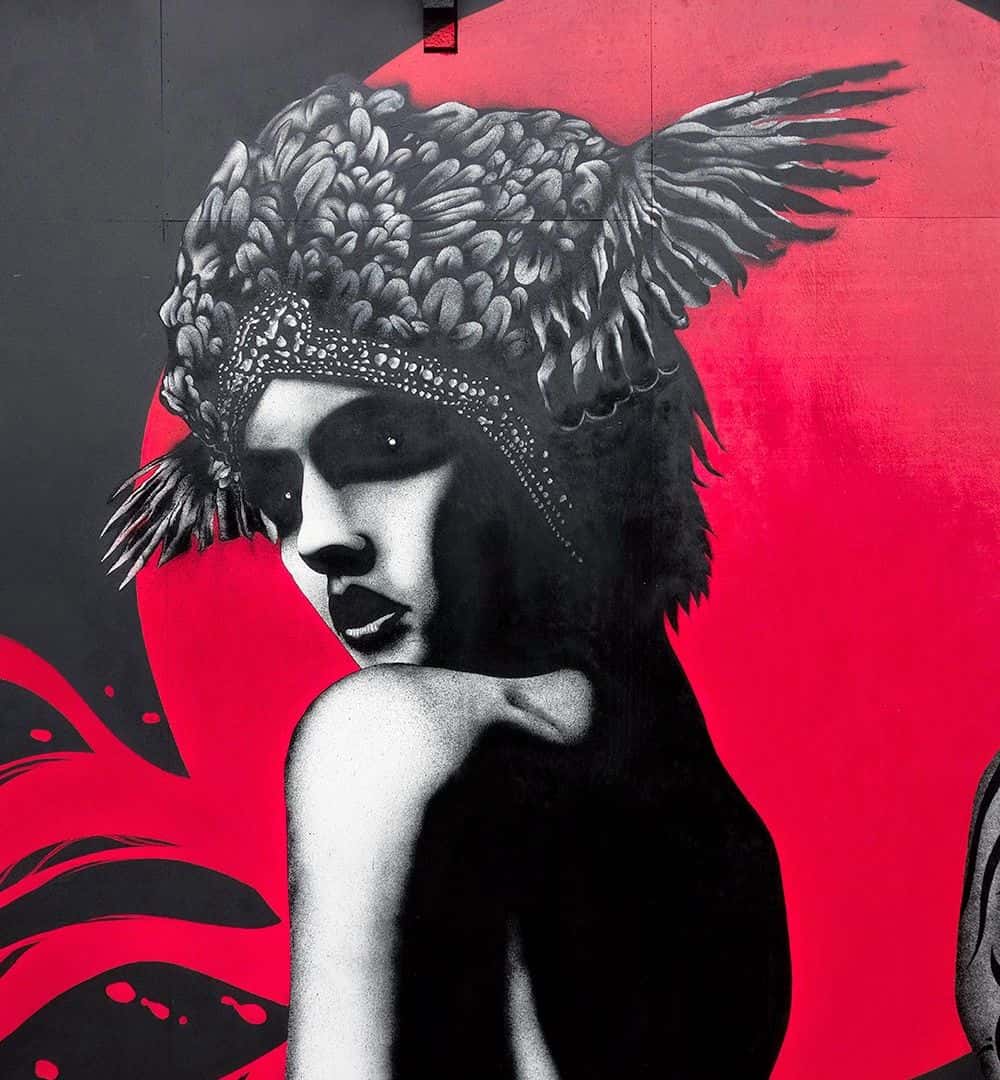
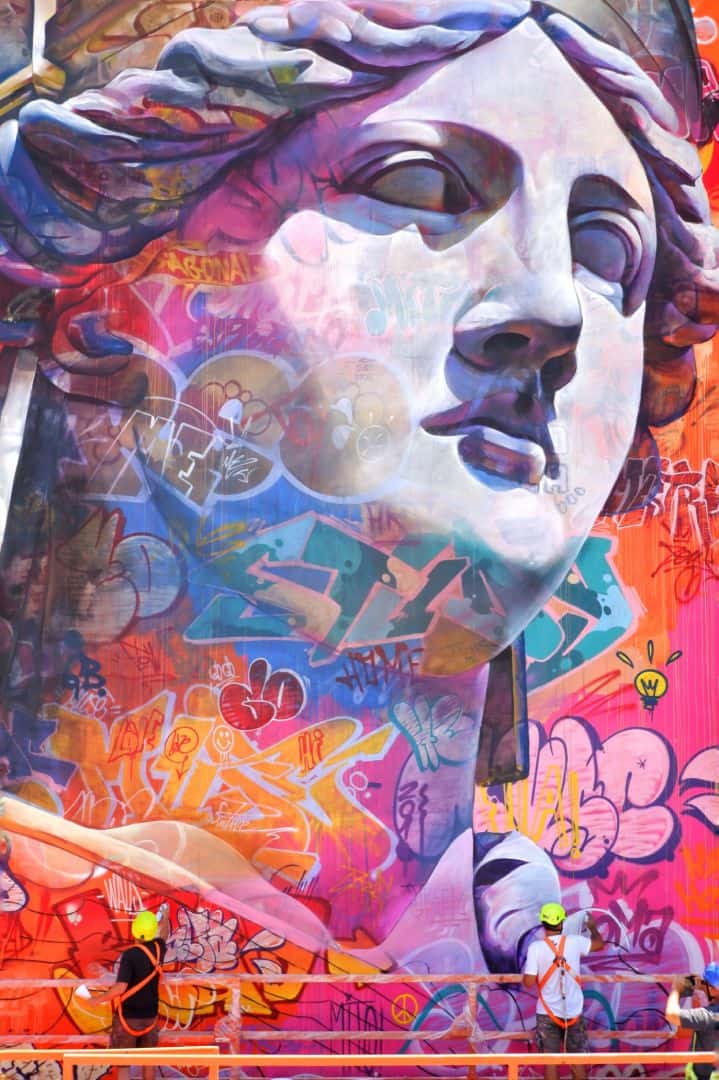


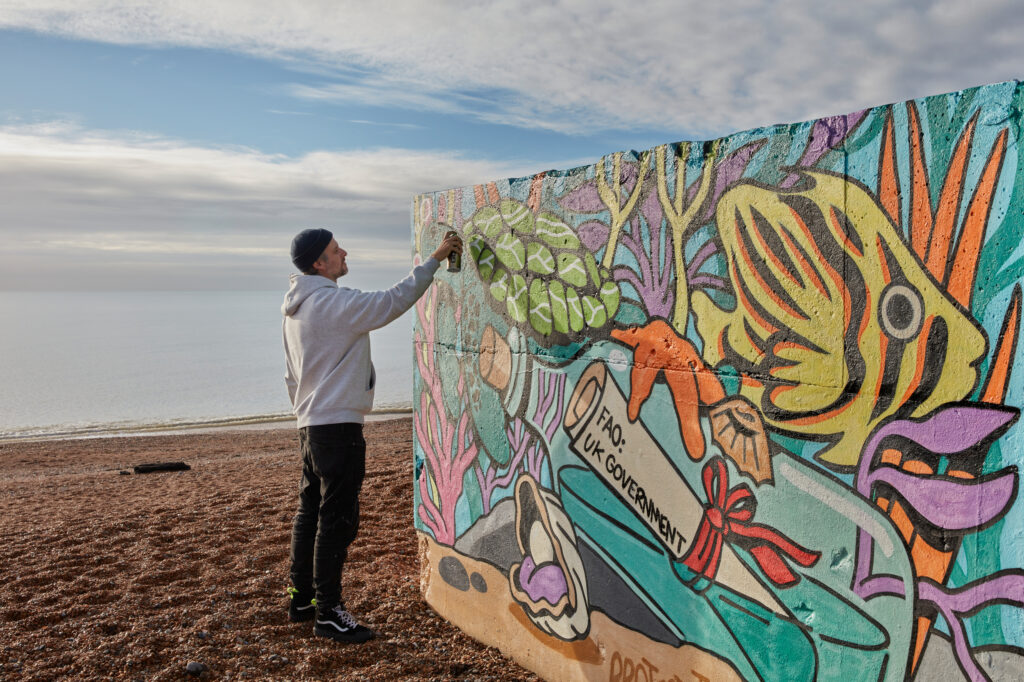

This weekend in the UK, a new mural was unveiled to mark a landmark moment for global ocean protection as the High Seas Treaty officially came into force.

The artwork formed part of a global Greenpeace action that brought together artists, Indigenous Peoples, activists, and local communities across 13 countries and five continents, representing every ocean. Together, the street art interventions marked a hard-won victory following more than two decades of campaigning to protect the high seas.
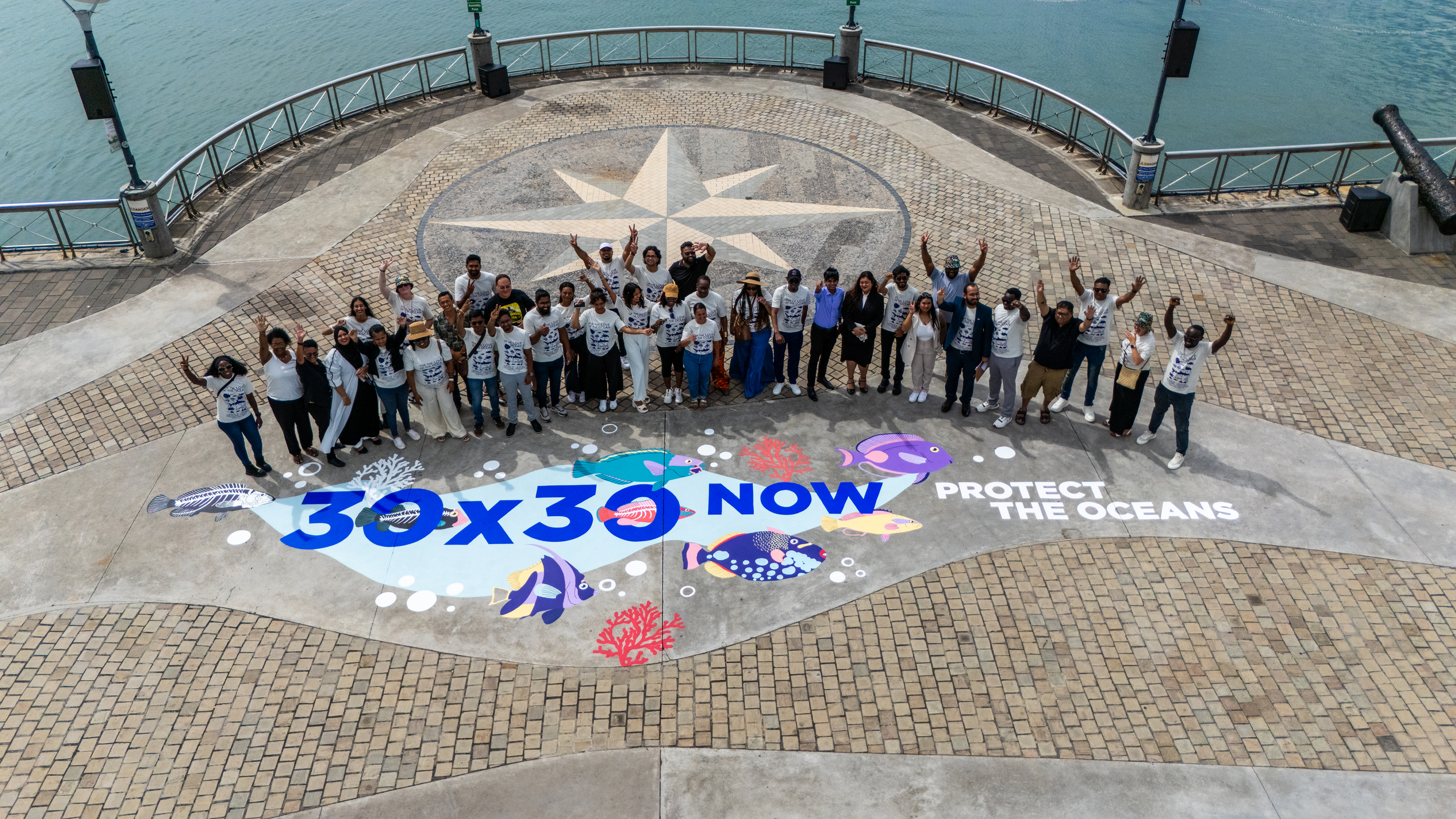
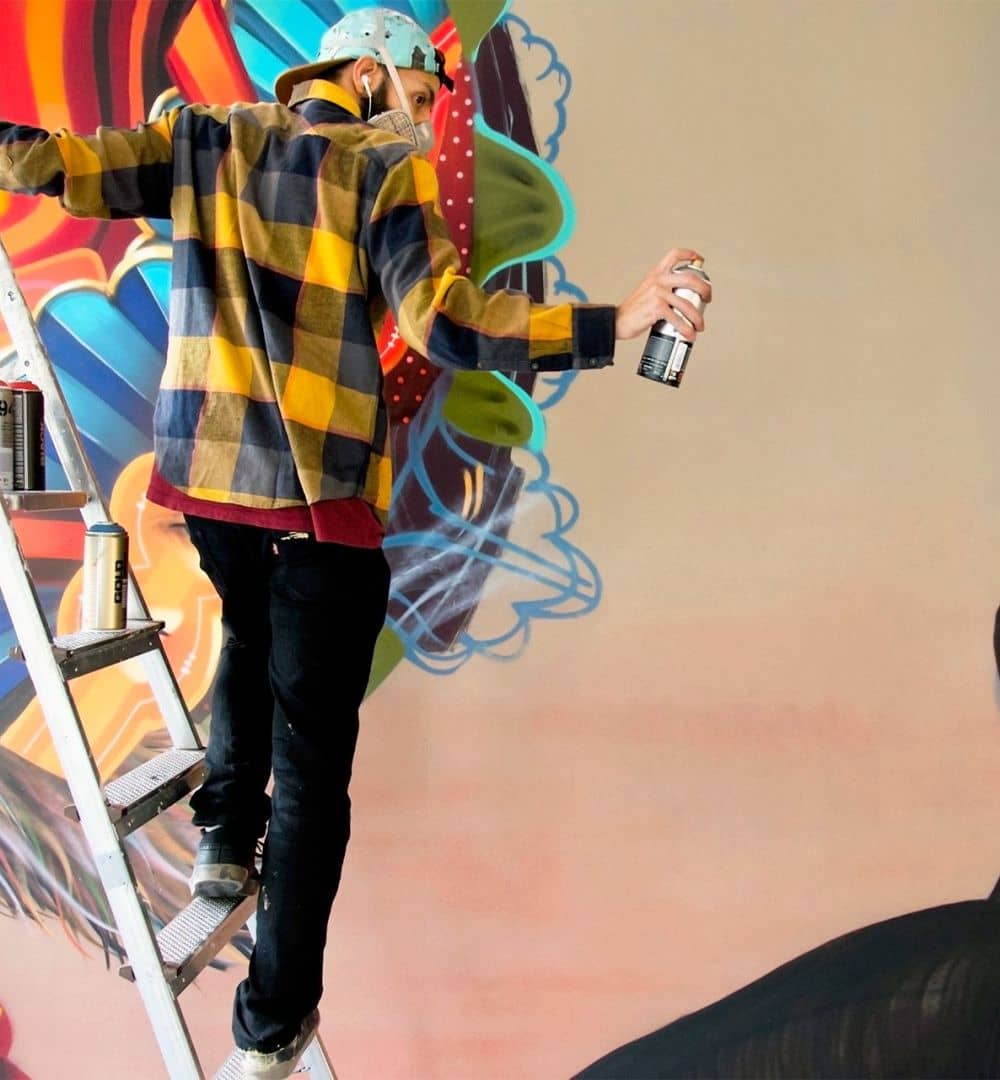
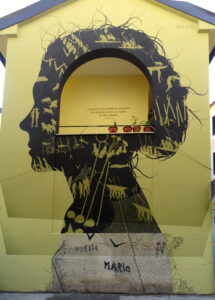
As part of the official launch of the Greenpeace Africa office in Mauritius, our creative partner, renowned Mauritian artist Daphne Doomun, created a powerful mural artwork designed to inspire hope, raise awareness, and reinforce the urgent need for ocean protection. This visual statement symbolizes the collective responsibility of communities, institutions, and individuals to safeguard marine ecosystems and reflects Greenpeace Africa’s commitment to protecting at least 30% of the world’s oceans by 2030 for the benefit of present and future generations.
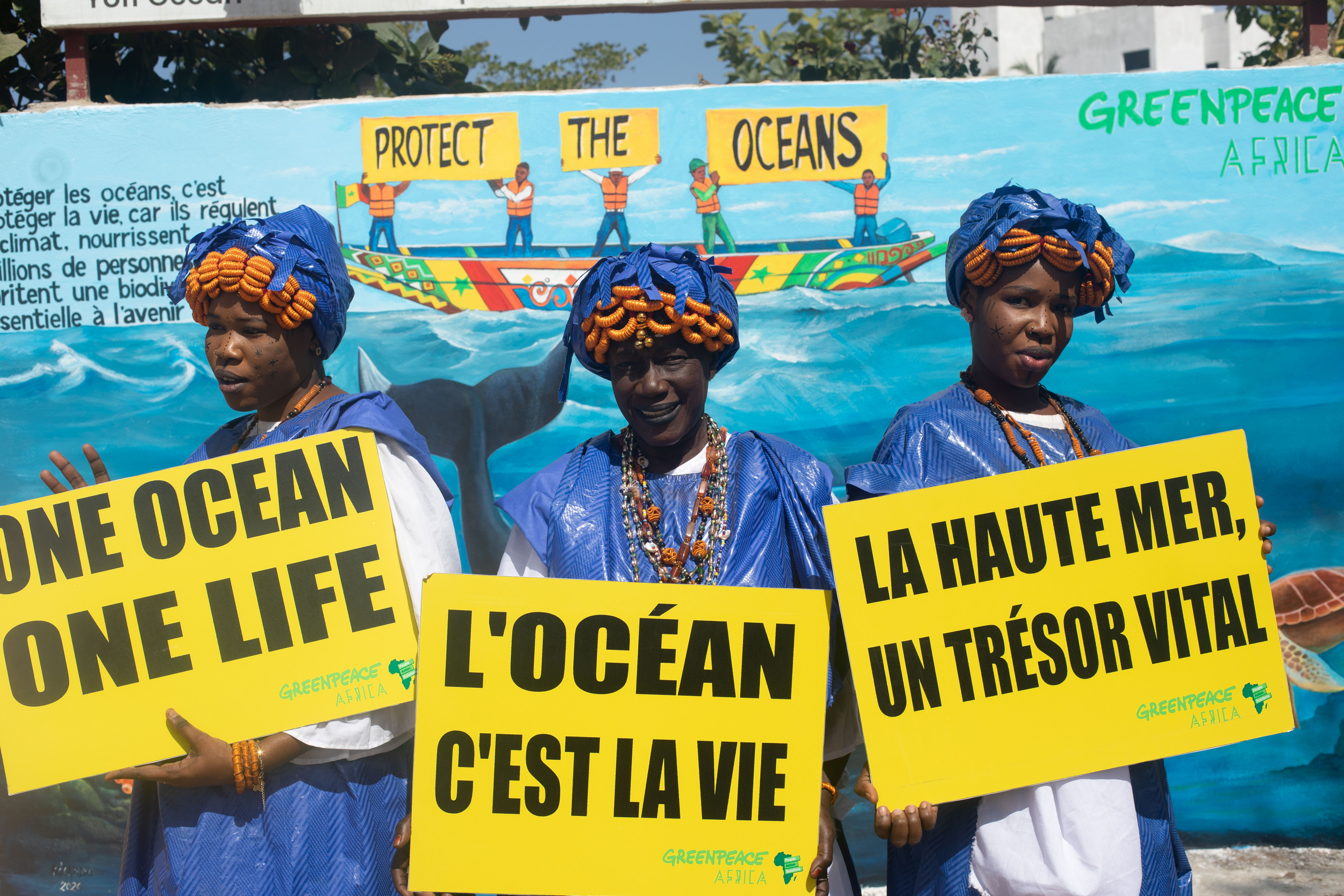
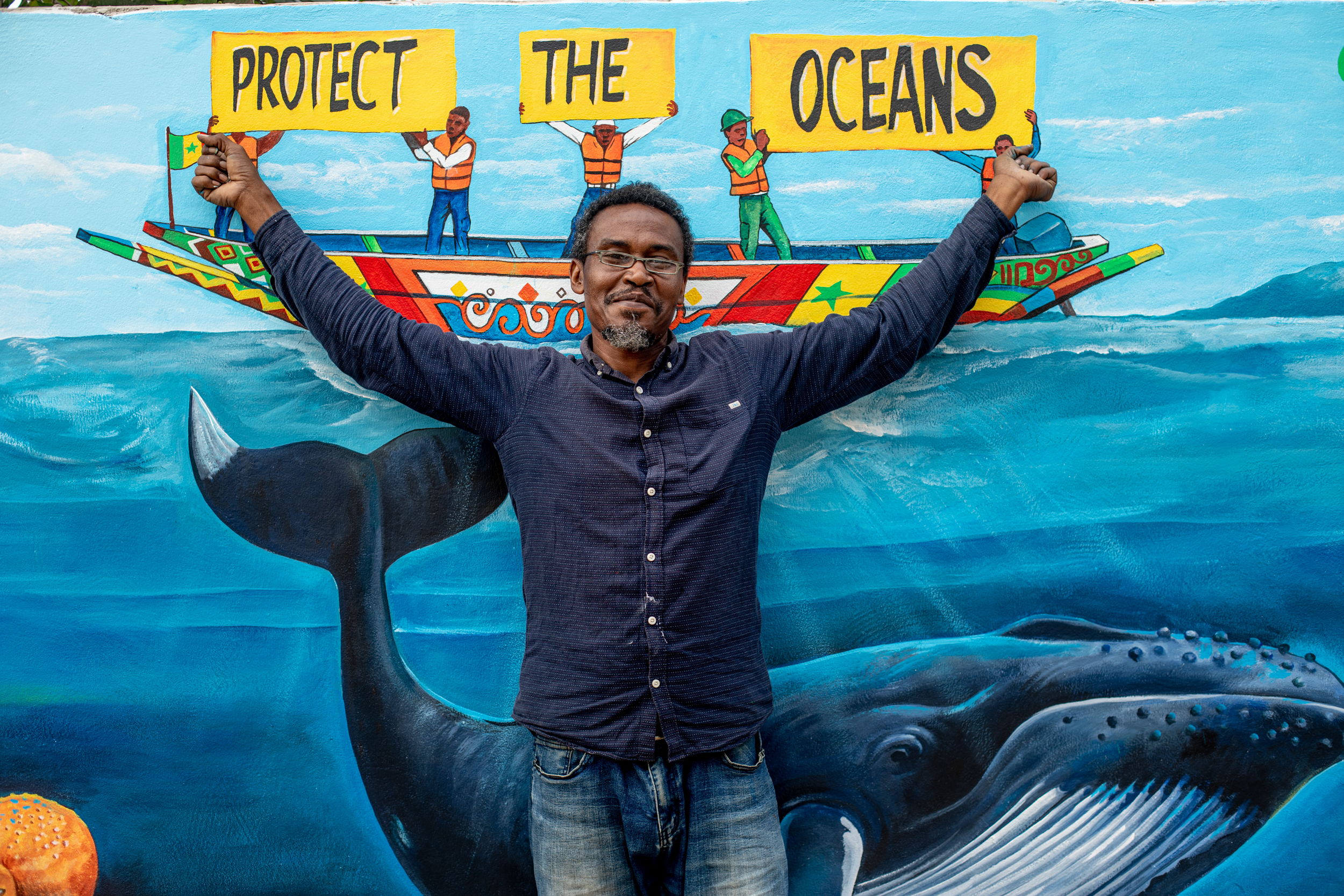
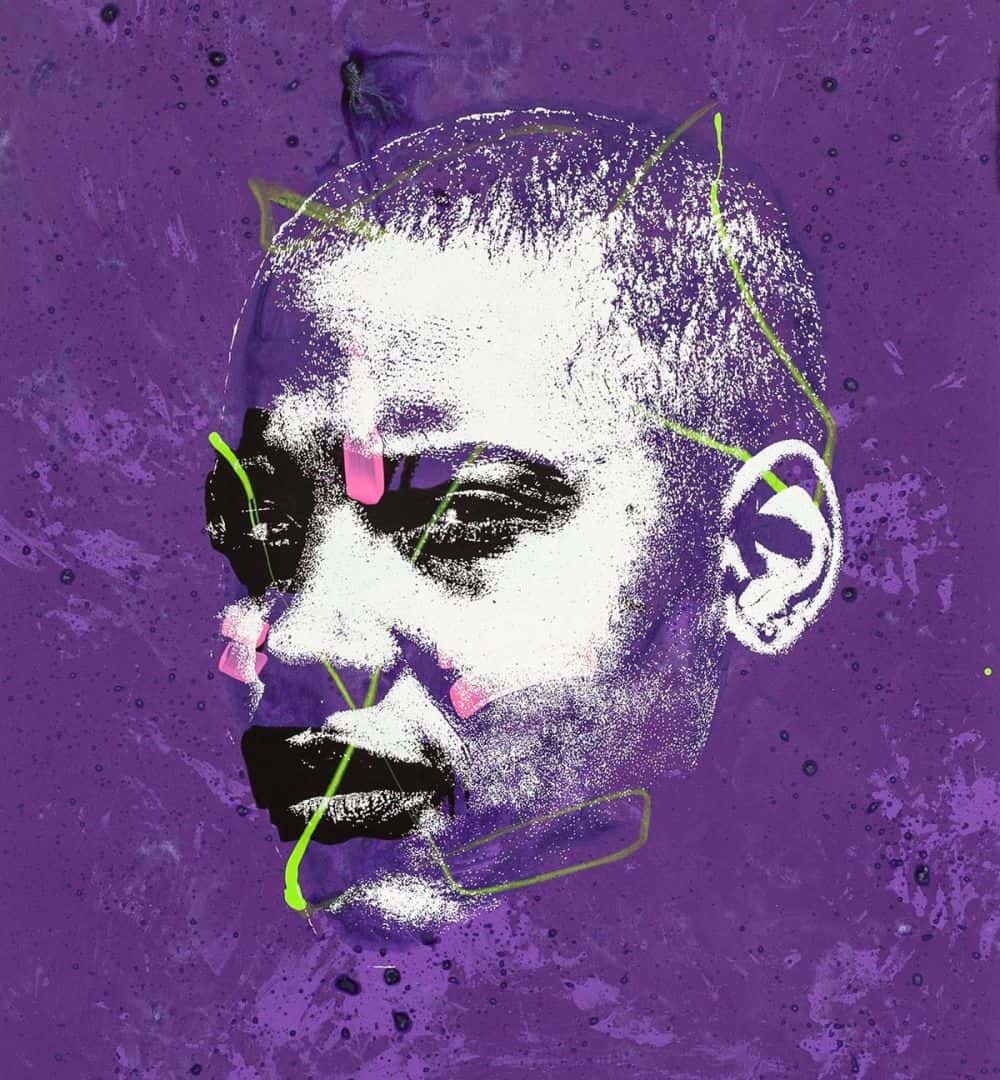
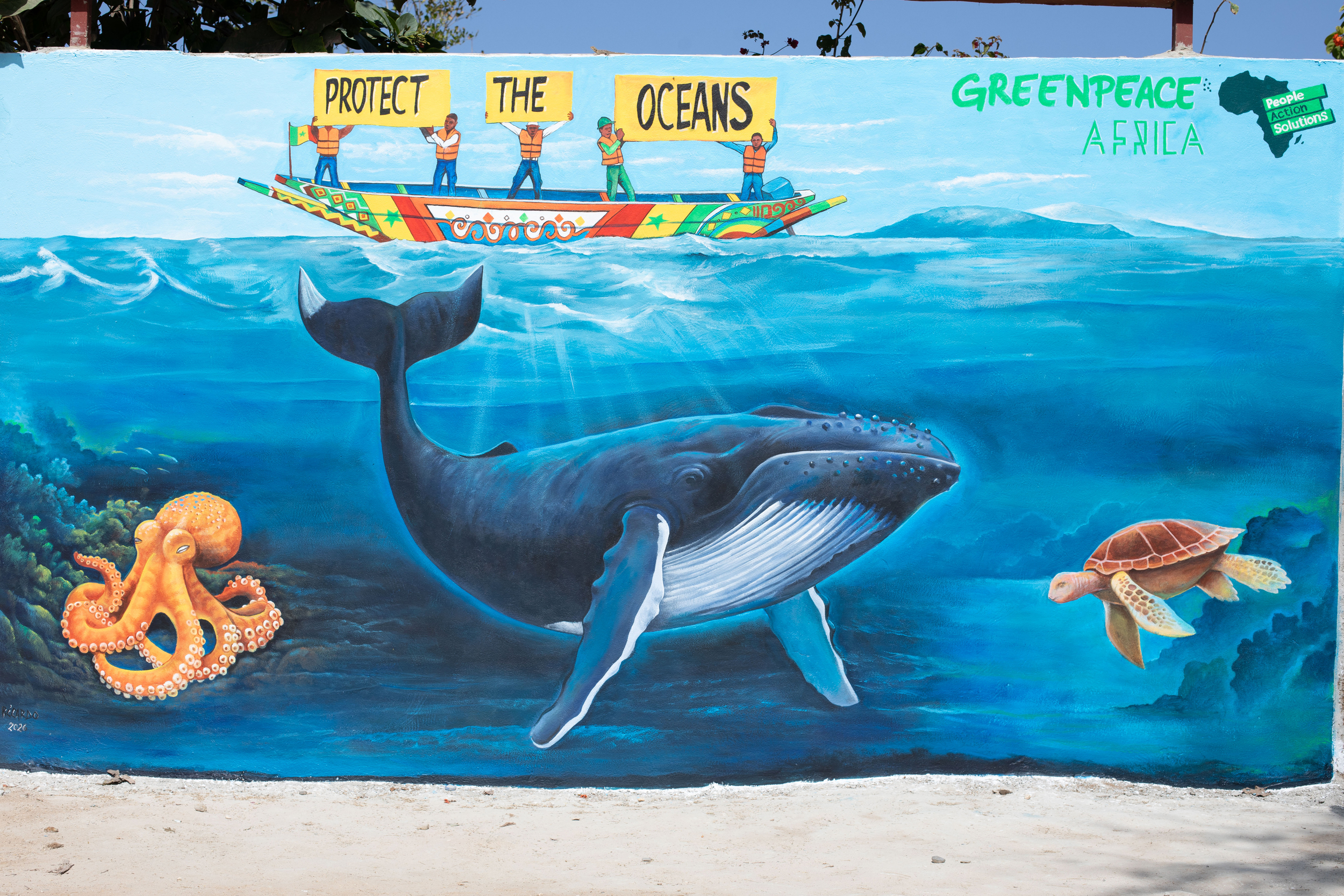
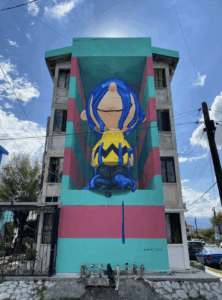
Greenpeace Senegal works with artist Ricardo Xavier Monteiro, volunteers and community members to create a mural in Dakar to celebrate the Global Ocean Treaty coming into force on the 17th January 2026.
Various signs are also displayed in English and French with texts including “One Ocean One Life”.
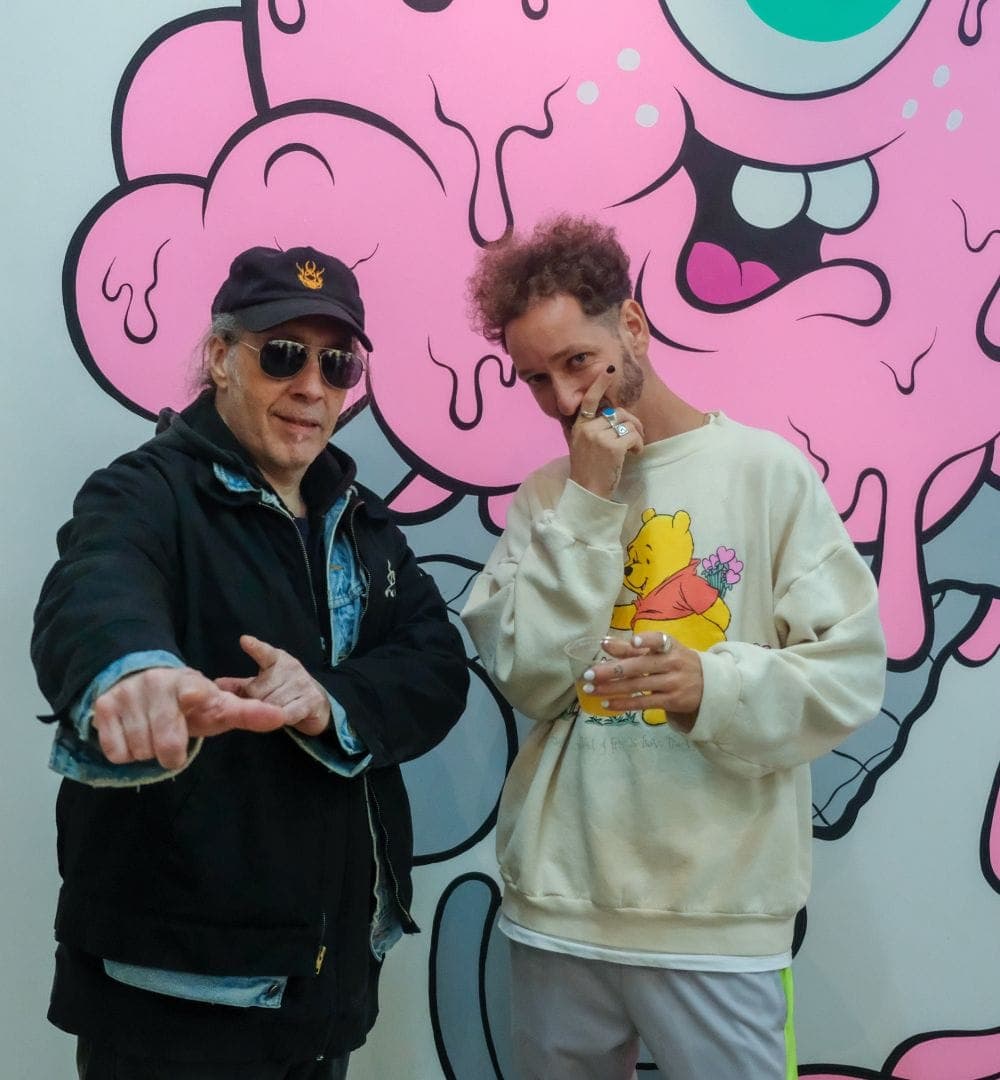
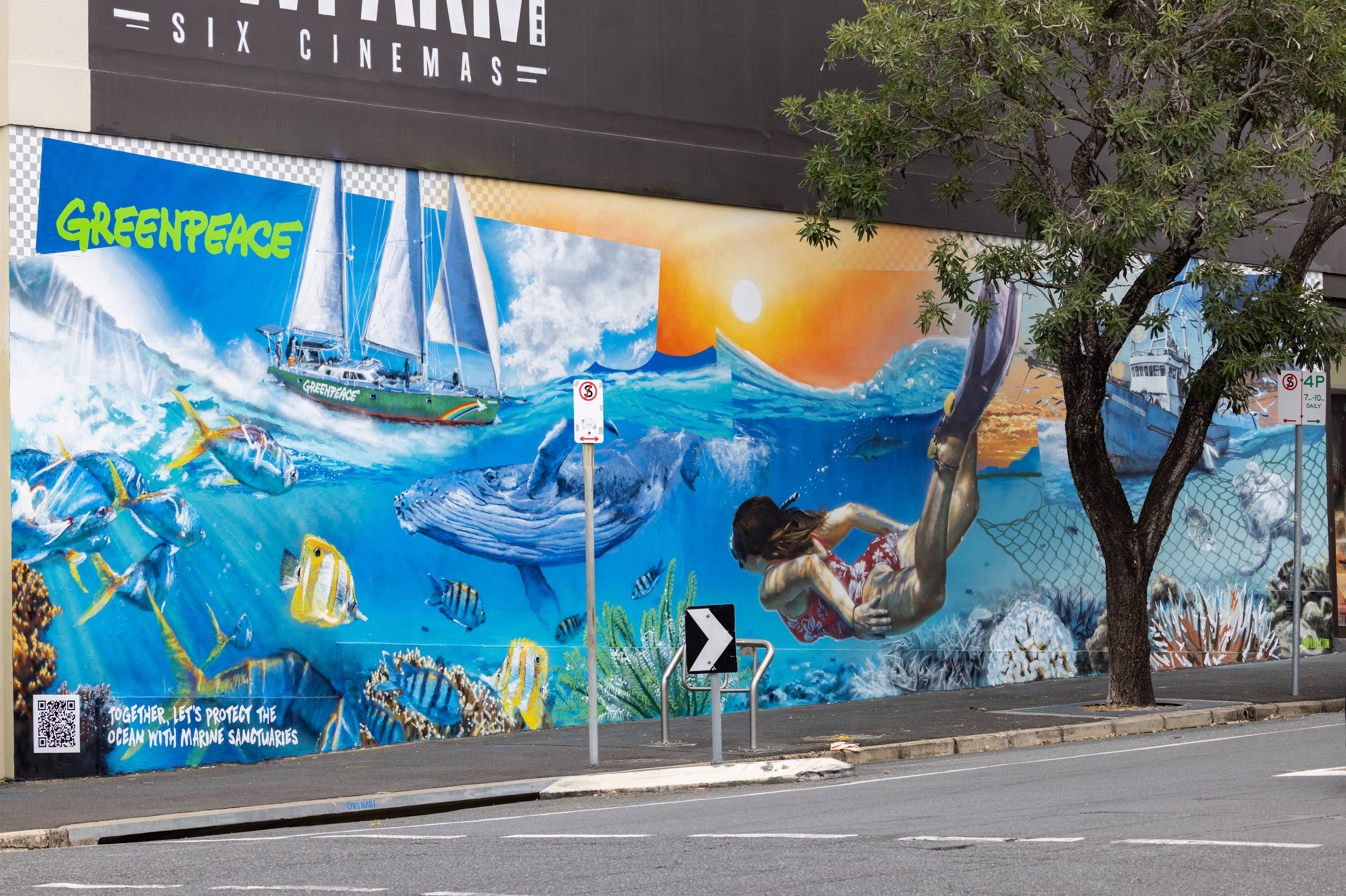
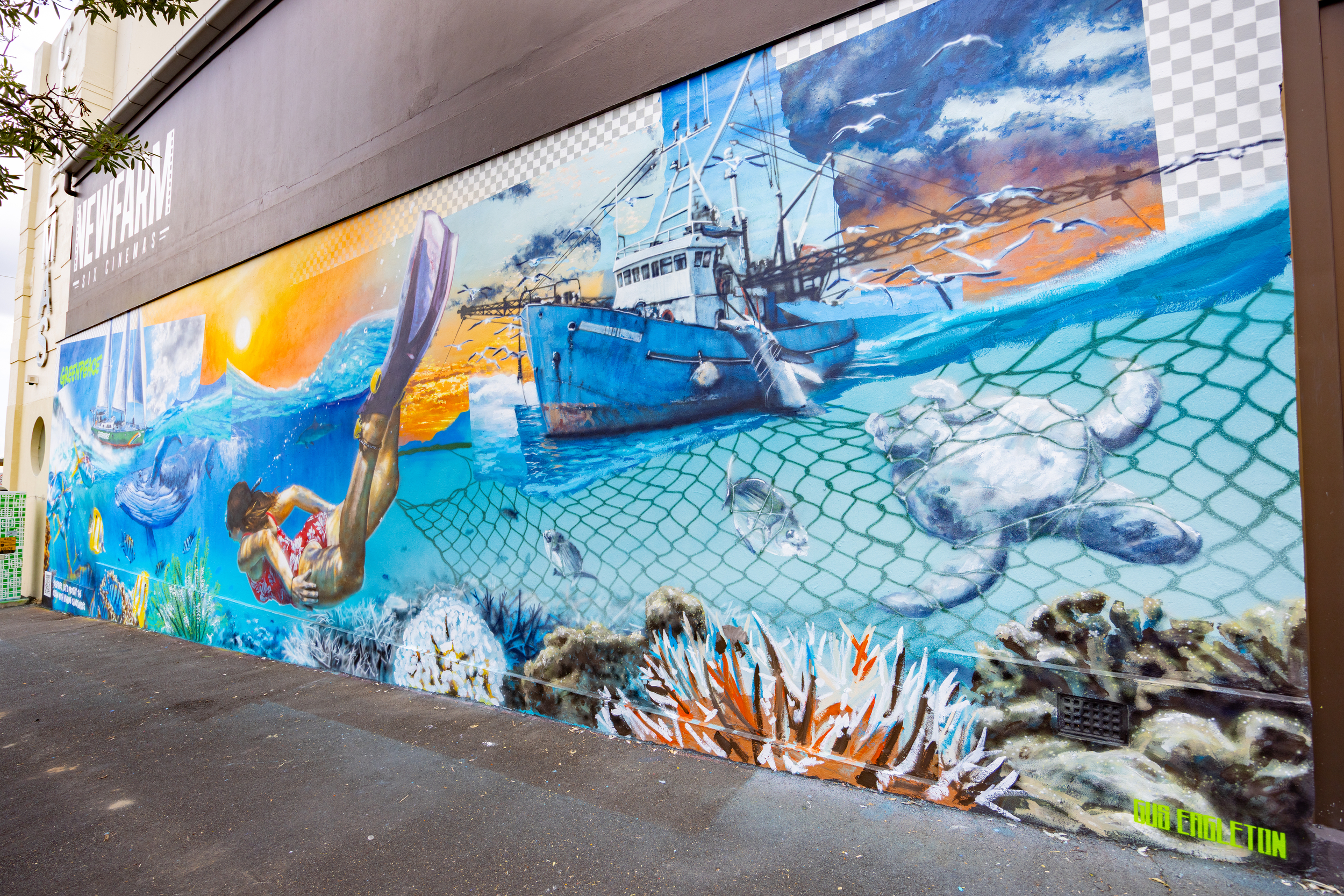
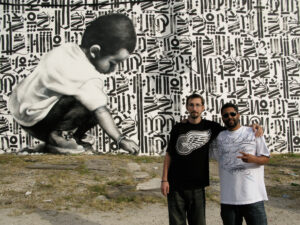
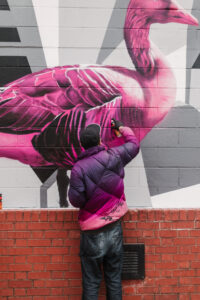
To celebrate the Global Ocean Treaty formally entering into force on Saturday 17 January 2026, Greenpeace Australia unveils a large scale mural in Brisbane, Australia by award-winning artist Gus Eagleton.
Coming into force on January 17, the High Seas Treaty is the most significant global environmental agreement since the 2015 Paris Climate Agreement. It also triggered a crucial four-year countdown to protect 30 percent of the world’s oceans by 2030, providing governments with legal tools to safeguard vast areas of the high seas for the first time.
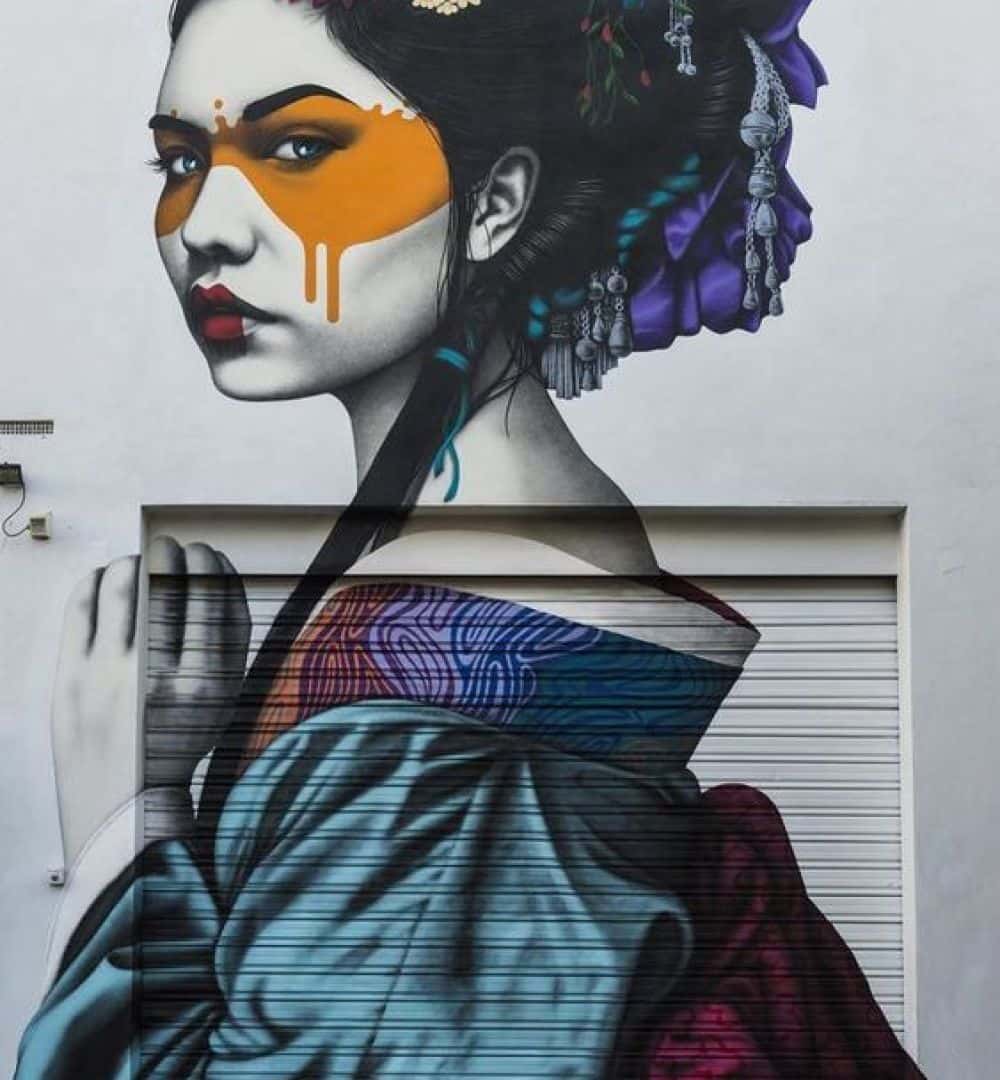
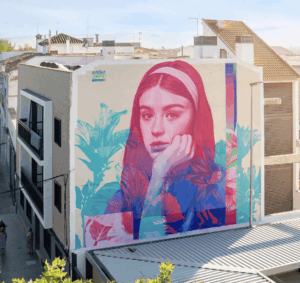
The UK mural, created by Bristol-based artist Richt, depicts a message in a bottle addressed to the UK government, resting on the ocean floor among marine life including a turtle, an angelfish, and an oyster. The oyster acts as a symbol of hidden value and uncertainty. The work serves as a call for the UK to urgently complete the process of signing the Treaty into law. At the time of its unveiling, 81 countries including France, Spain, China, Japan, Mexico, and Brazil had already done so.

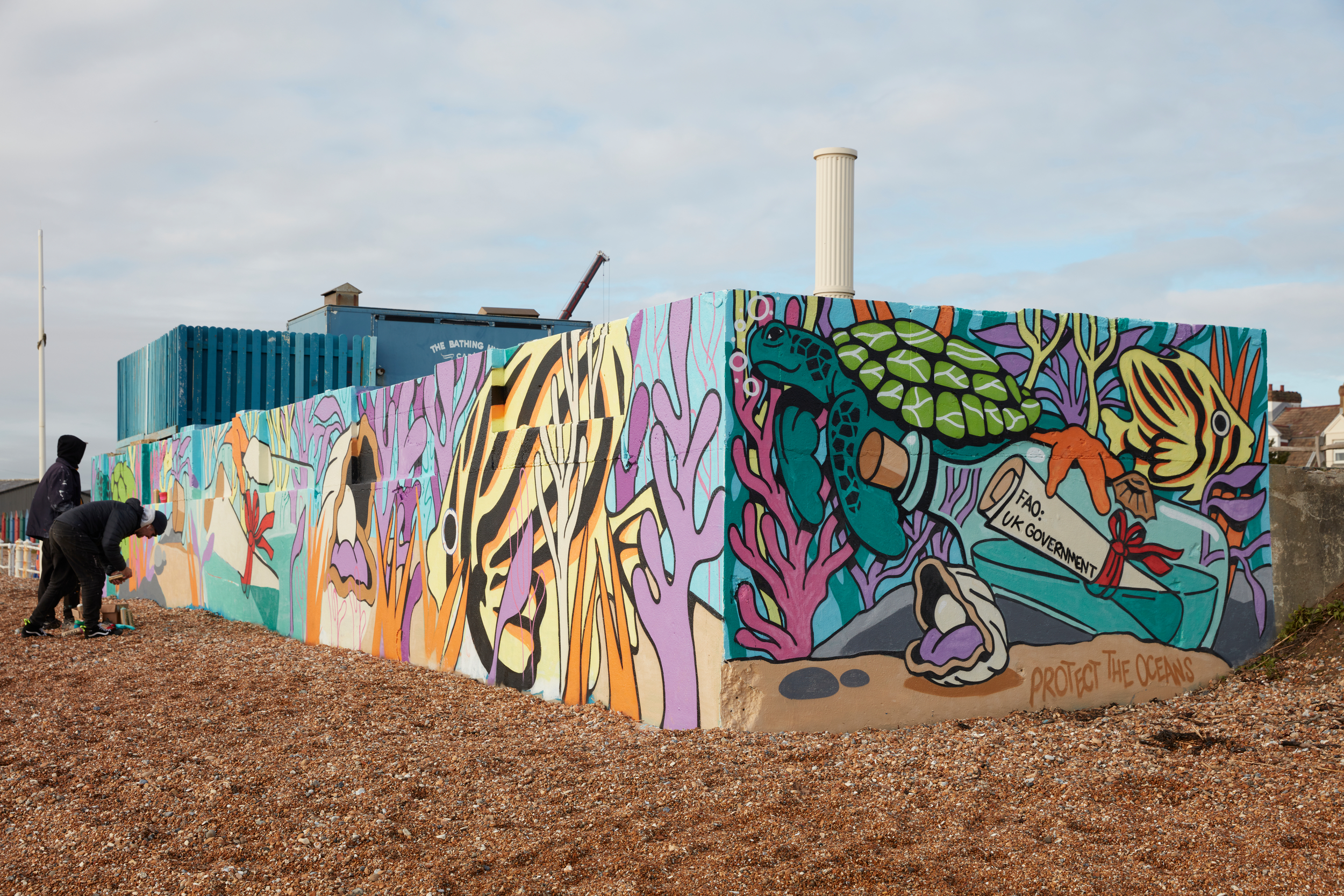
Reflecting on the work, Richt described the message in a bottle as “an act of desperation and devotion,” thrown into the sea in the hope of finding help before it is too late. He added that while environmental action is often framed as a “last chance,” progress in this case is being delayed by red tape rather than a lack of solutions.
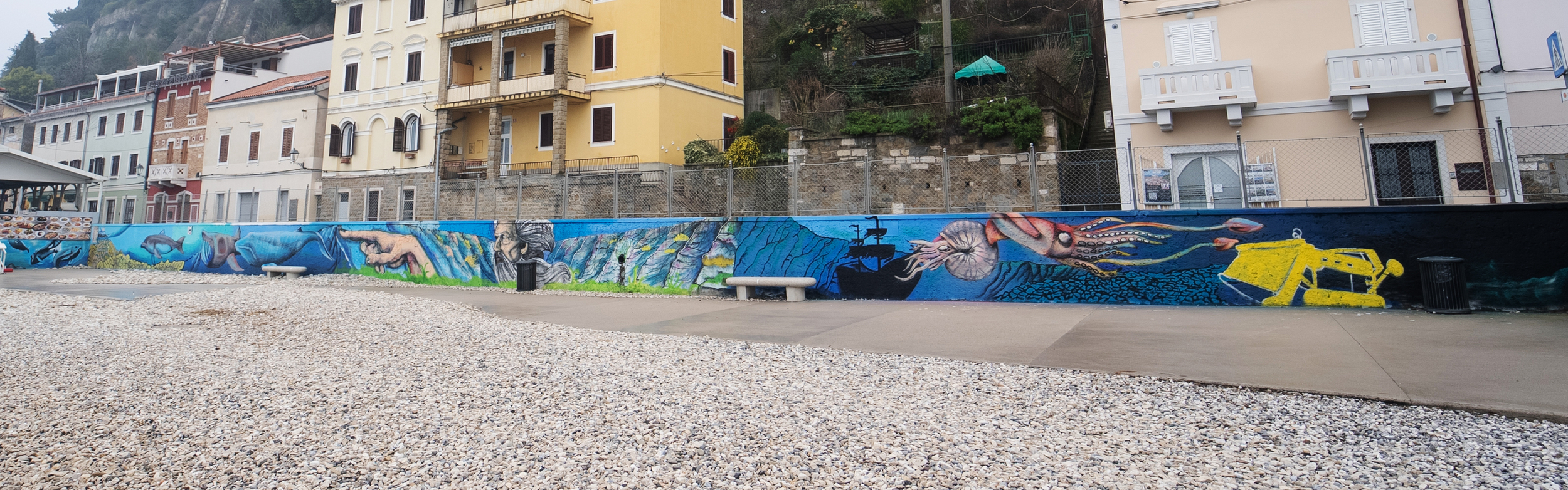
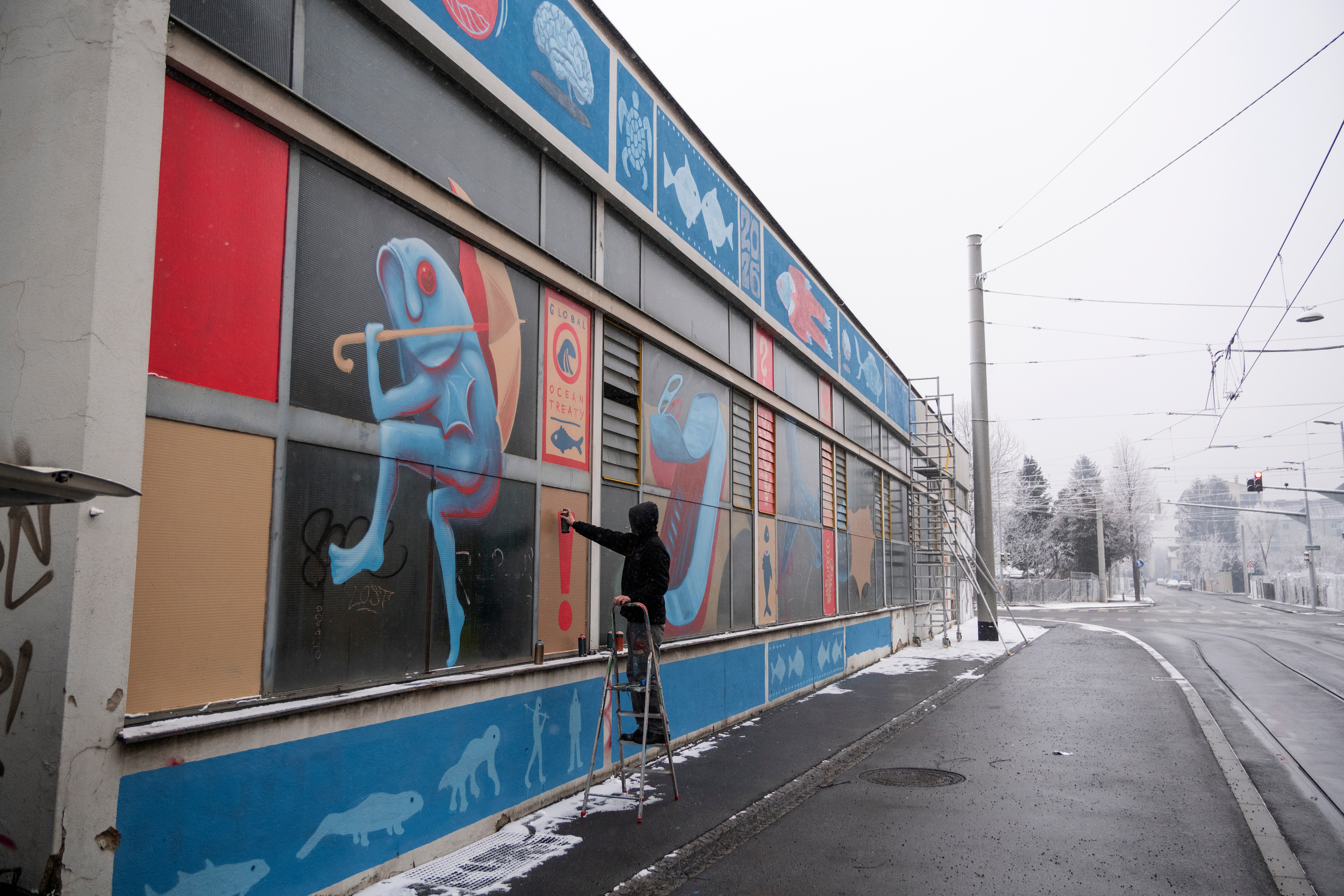
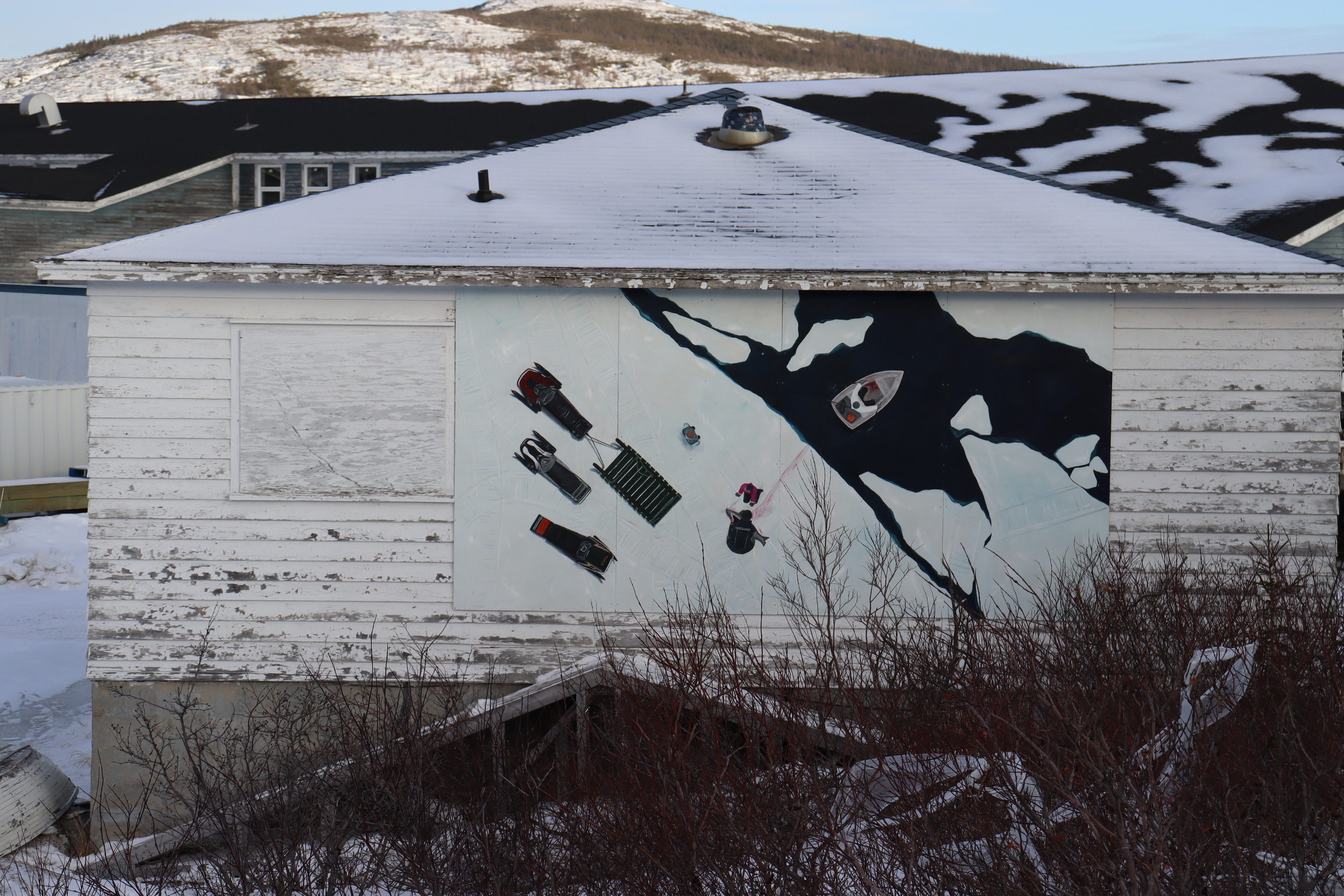
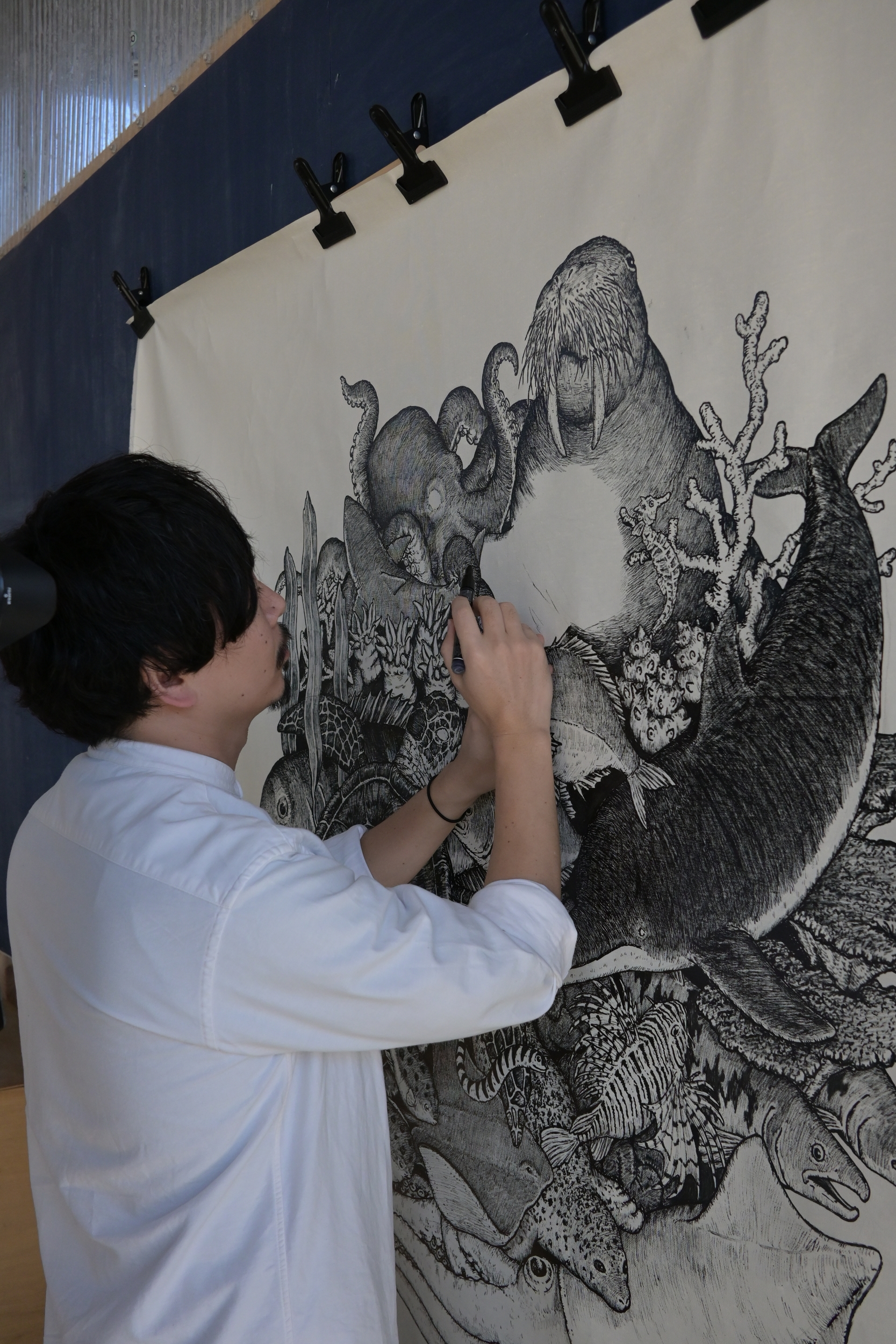
Chris Thorne, Senior Oceans Campaigner at Greenpeace UK, said the Treaty “fires the starting gun on a four-year race to protect 30 per cent of the world’s oceans by 2030,” the minimum scientists say is needed to halt biodiversity loss, stabilise the climate, and safeguard food security. He warned that the UK’s delay in passing the Treaty into law risked holding back global momentum at a critical moment.
Following the unveiling, the mural was set to be transformed into a digital postcard, allowing the public to send its message directly to UK Foreign Secretary Yvette Cooper. Currently, just 0.9 percent of the high seas is fully or highly protected. Closing the gap to 30 percent within four years would require conservation efforts on a scale faster than any in history.





comment